
Laser Marking & Engraving
Traceability rules quietly reshape what a marking system has to do
Permanent part identification is no longer a finishing step — it is a data problem that happens to involve a…
26 Jul 2026
Sections
Marking, engraving and traceability systems across UV, fiber, CO2 and green sources.
Permanent part identification is no longer a finishing step — it is a data problem that happens to involve a…

At 355 nm the mark comes from breaking molecular bonds rather than melting. For plastics, glass and thin coat…
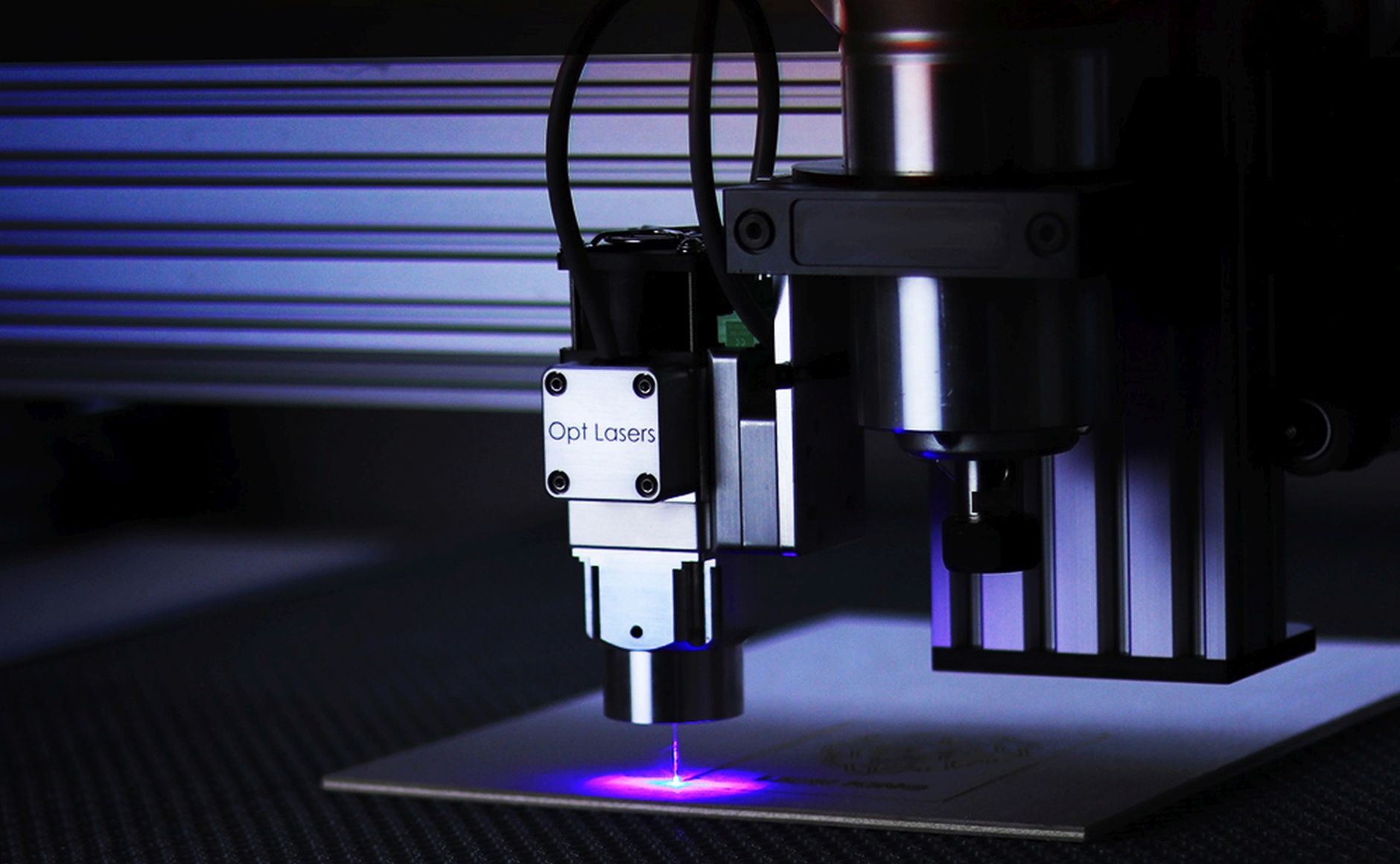
UDI, aerospace part marking and battery passports each demand a code that survives the product's life. Perman…
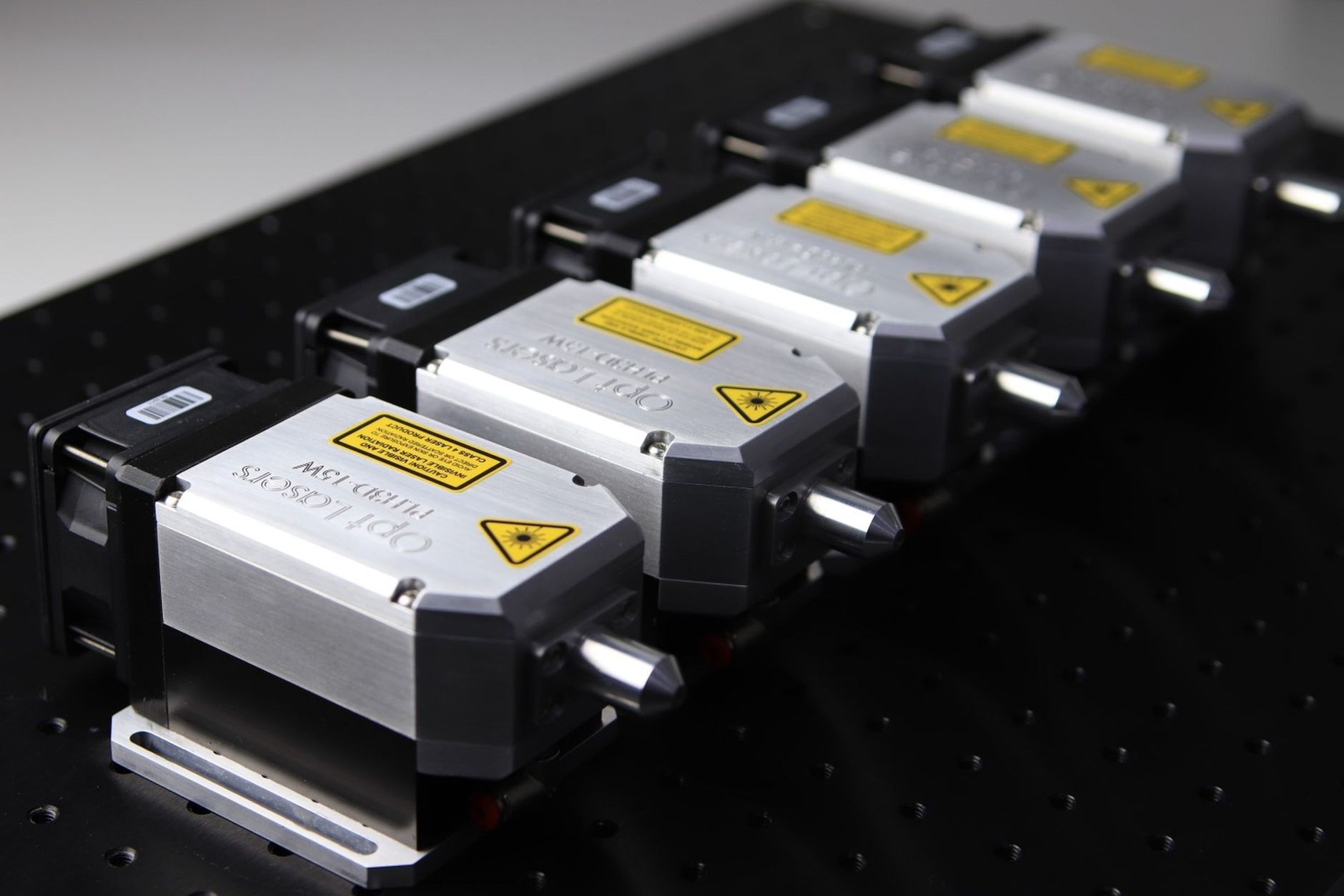
Heating stainless just enough to grow a coloured oxide leaves the passive layer and the geometry untouched. G…
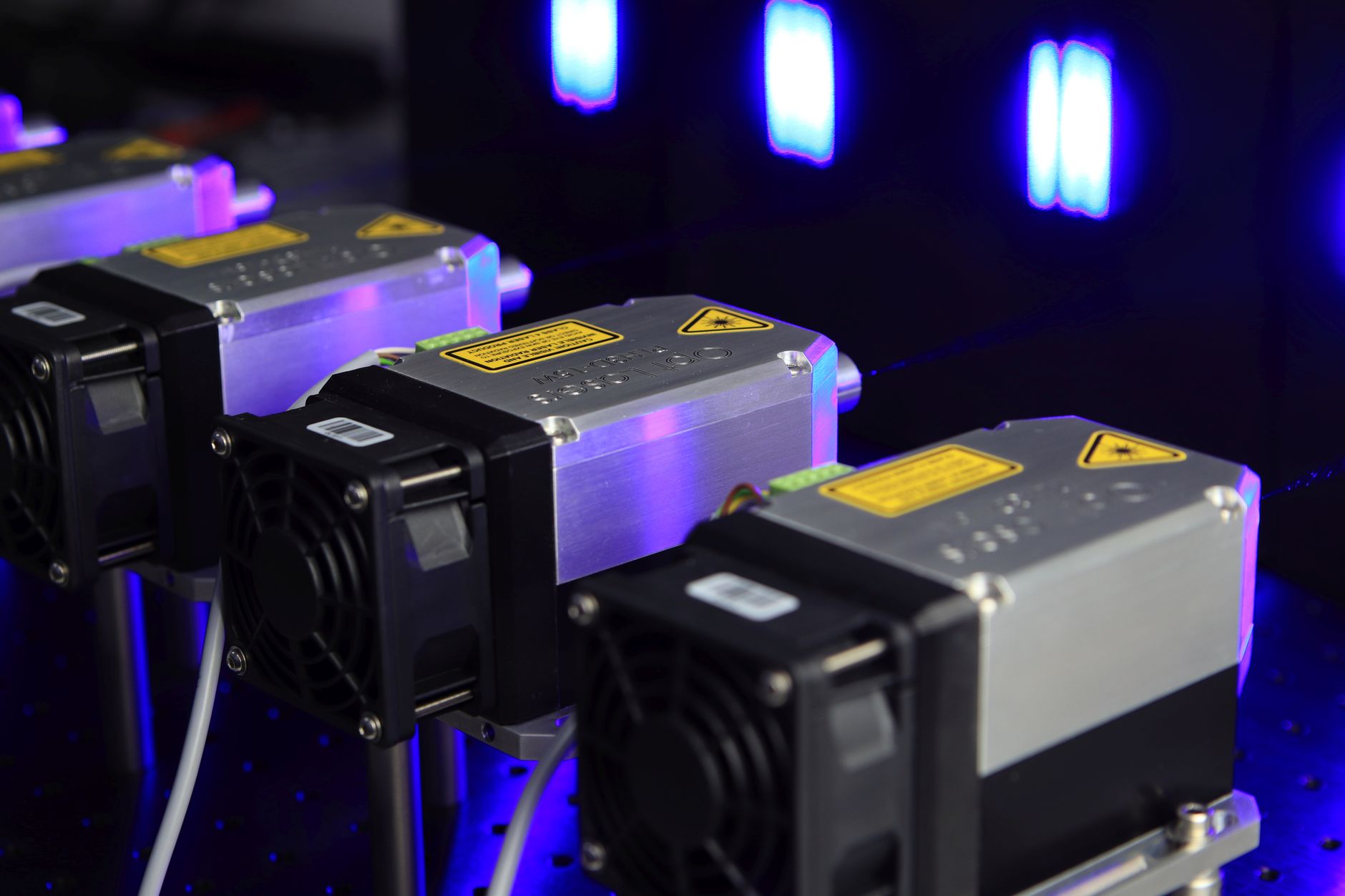
Oxide thickness sets the hue, and oxide thickness responds to everything: surface finish, ambient temperature…

The optics are the easy part. Keeping the scan field, the encoder signal and a moving product in agreement at…

Sinker EDM removes material faster in the cut. It also needs an electrode, which has to be designed, machined…
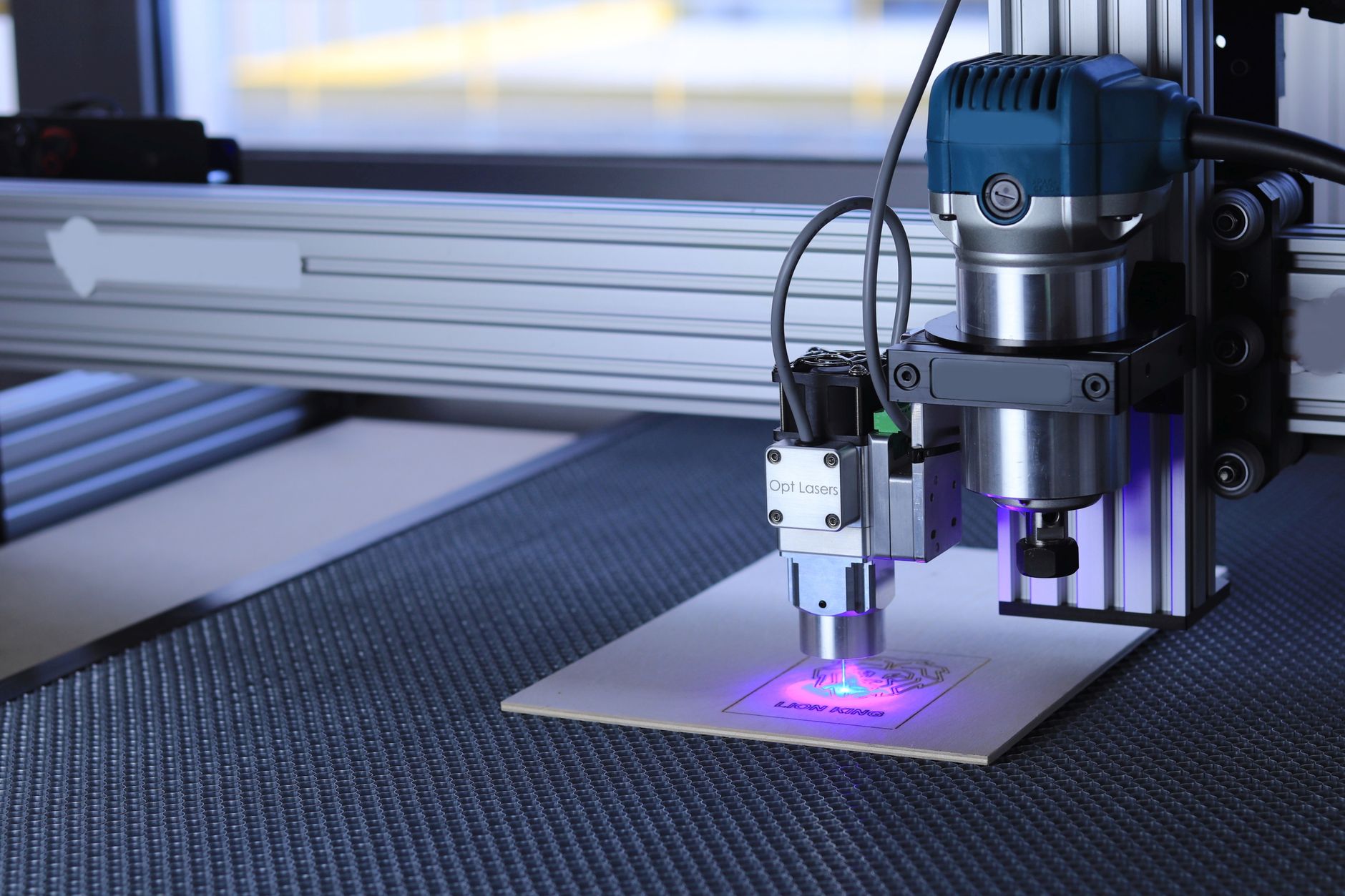
Contrast depends on additives in the resin. By the time a part reaches the marking cell, the achievable resul…
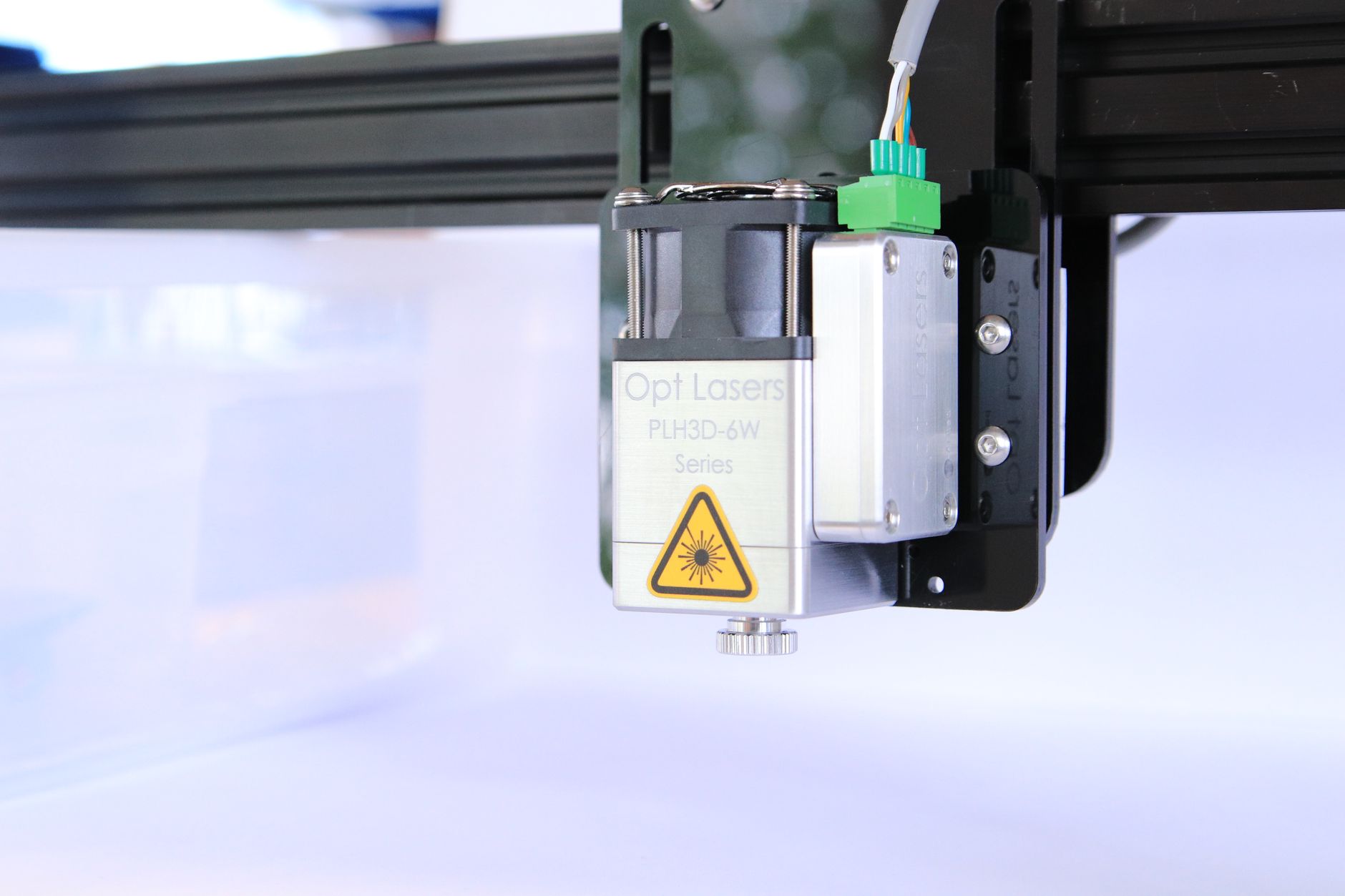
A galvanometer draws on a curved, distorted field. Correction files make it look flat, and those files are ma…

A Class 1 enclosure turns a Class 4 hazard into a machine an untrained operator can stand next to. Getting th…

Codes are graded on eight measured parameters. A code that scans reliably today can still grade poorly, and t…
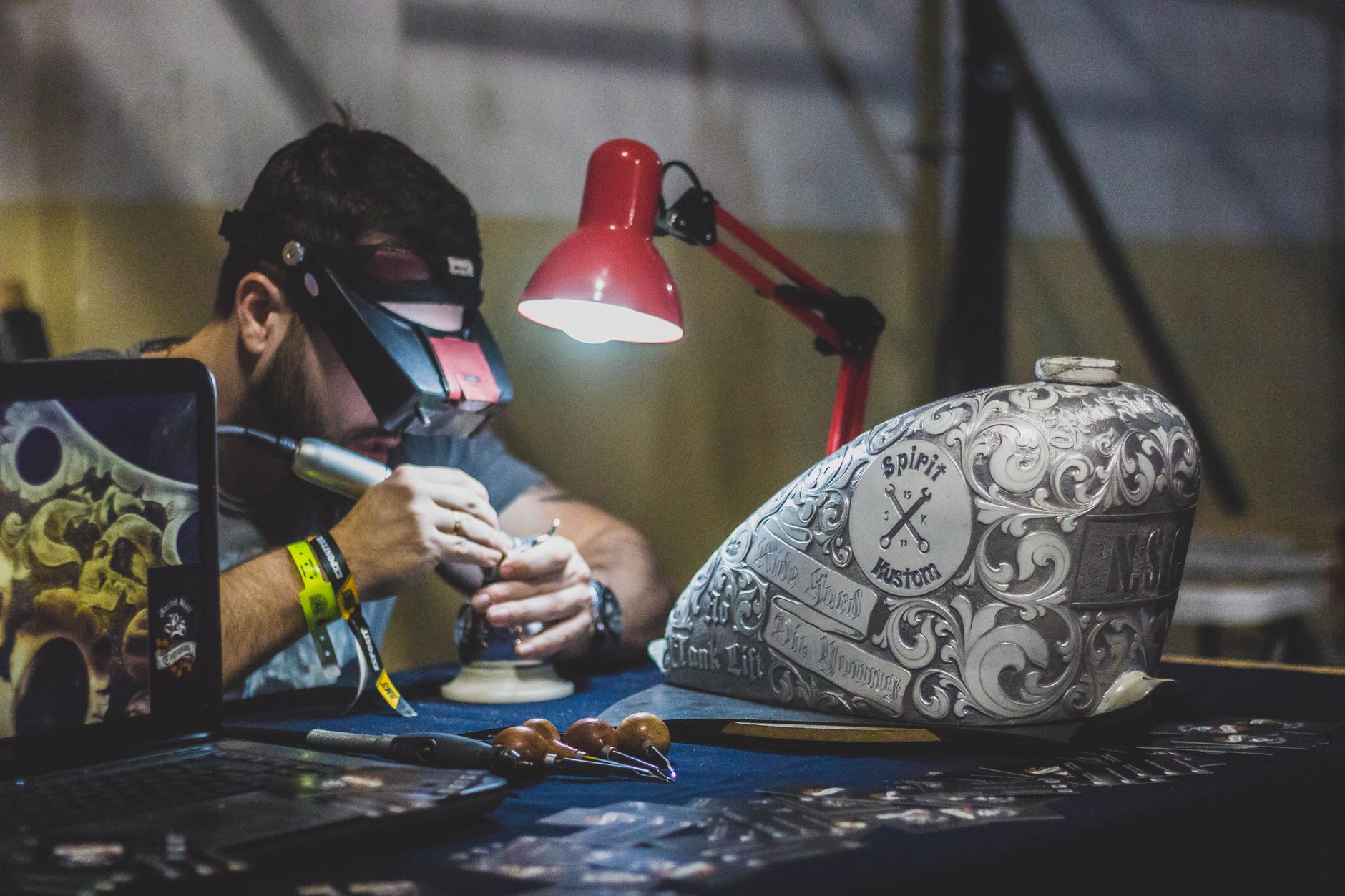
Scan speed, pulse frequency and hatch spacing interact. Push one without the others and the mark thins out or…