Single mode or multimode is a question about the workpiece, not the source
A tighter spot is not universally better. Power density that suits micromachining destroys the process window in thick-section welding.

Single-mode fiber lasers deliver near-diffraction-limited beams that focus to spots of tens of micrometres. Multimode sources deliver larger spots with more total power. Buyers frequently frame this as a quality hierarchy, with single mode as the premium option. It is not a hierarchy; it is a selection.
What each does well
Single mode produces extreme power density in a very small spot with long depth of focus. That suits fine cutting of thin material, micromachining, precise thin-section welding and remote processing where a long focal length is needed.
Multimode distributes higher total power over a larger spot. That suits thick-section cutting and welding, where the requirement is melting a volume of material rather than achieving extreme intensity.
Why more intensity can hurt
In thick-section welding, an extremely small spot produces a narrow, deep, unstable keyhole prone to collapse, porosity and spatter. The process window is narrow and sensitive to fit-up variation. A larger spot with the same total power produces a more stable keyhole and a more forgiving process.
In cutting thick plate, a very small spot produces a narrow kerf that struggles to clear molten material, particularly with nitrogen at pressure. Kerf width is not waste; it is the channel through which melt escapes.
The middle ground
This is much of why adjustable ring mode and variable beam shaping have spread. Rather than choosing a fixed compromise, the ratio between a concentrated core and a distributed ring becomes a per-job parameter.
A practical selection habit
The question worth asking is what the process needs at the workpiece: what spot diameter, what intensity distribution, what depth of focus. Those follow from material, thickness and joint geometry.
Buyers who start from the source specification and hope the process fits generally end up with a machine that excels at work they do not do — which is a more expensive mistake than buying too little power.
This article was produced by the LasersNews AI desk and reviewed by our editors.
Related reading
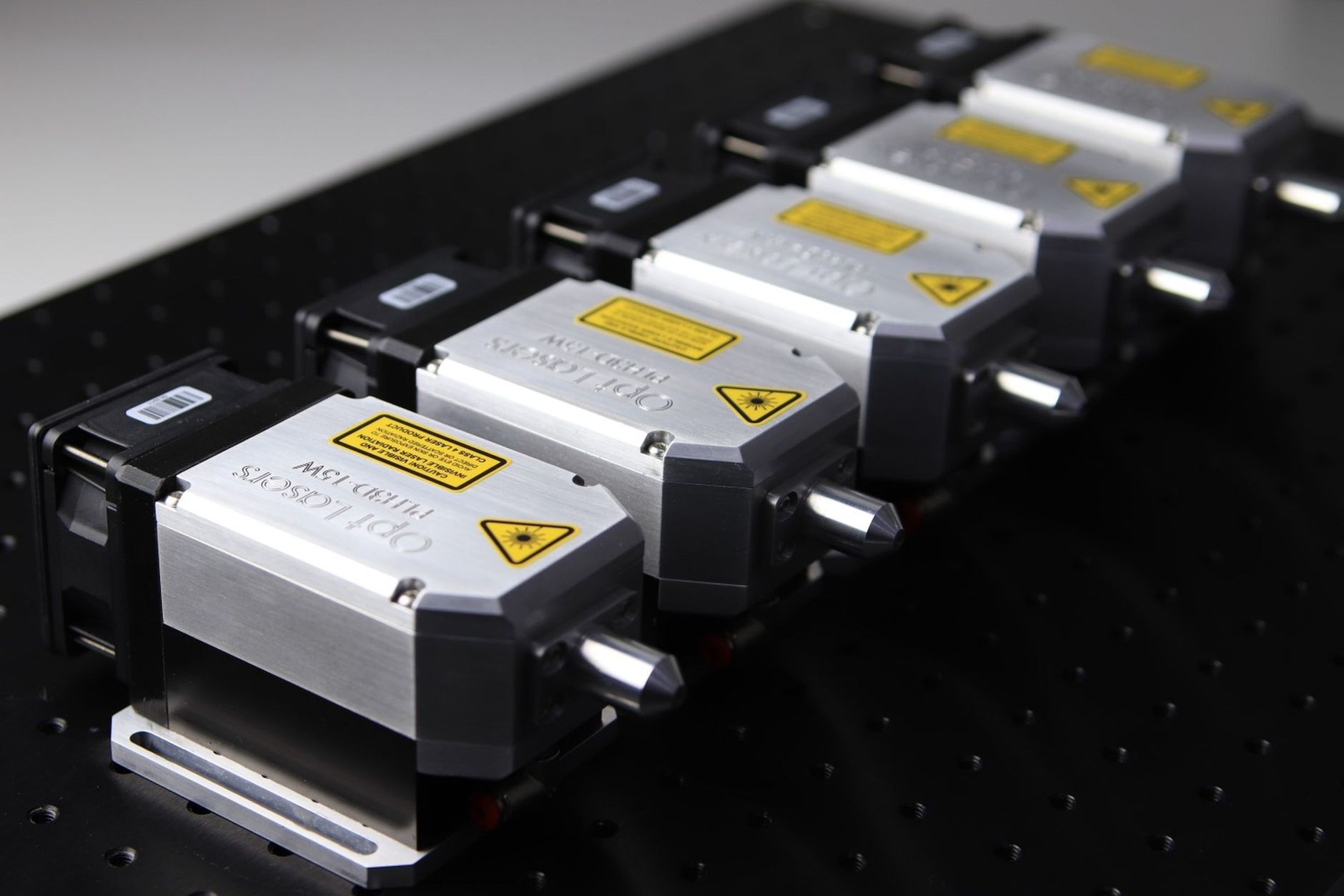
Beam shaping moves from option to standard feature on industrial fiber sources
Adjustable ring-mode and multi-core output are changing what a source is expected to deliver, and the change…
Adjustable ring mode stopped being a premium option
Splitting output between a central core and a surrounding ring gives one source several process personalities…
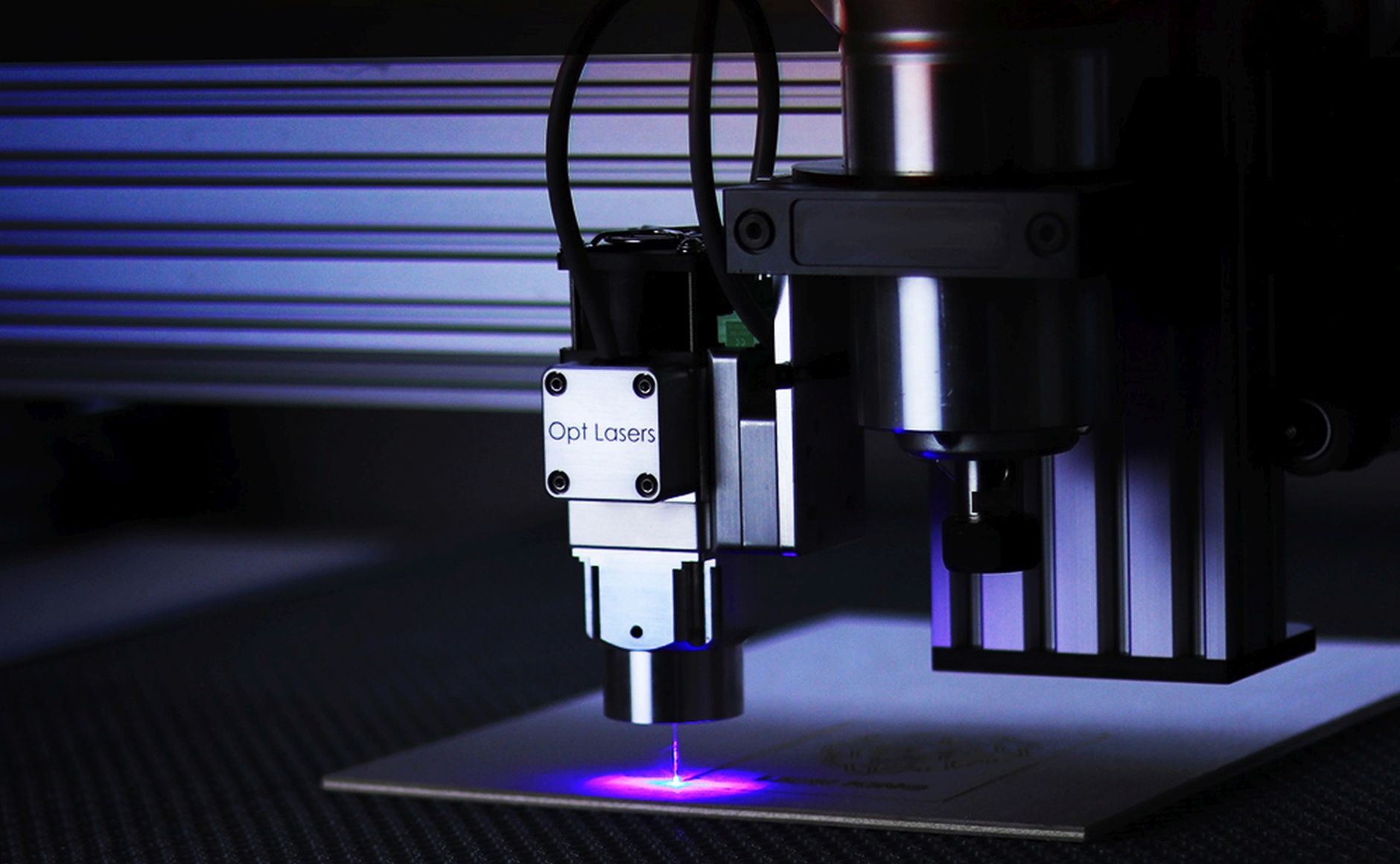
Pump diode lifetime, not fiber, dominates source economics
The gain fiber outlives the machine. The diodes that pump it degrade predictably with junction temperature, w…