Marking part numbers during the cut removes the sorting bottleneck
A few seconds of etching per part converts identification from a drawing-and-tape-measure exercise into reading a label.
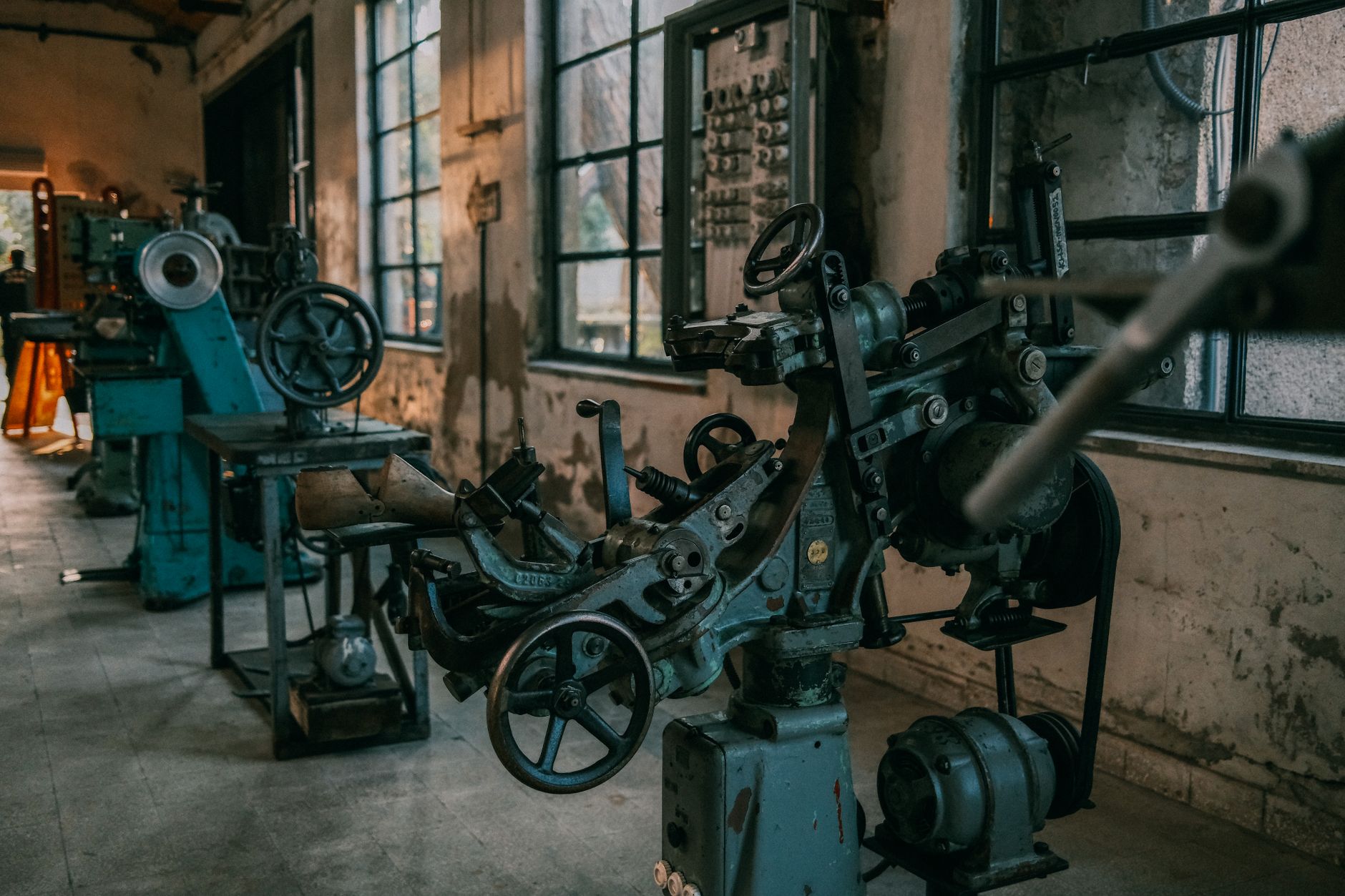
A cutting machine running automation produces stacks of mixed parts faster than anyone can sort them. The sorting itself is not difficult work, but identifying which part is which frequently requires a drawing, a tape measure and someone who knows the product.
Marking the part number during the cut removes that step entirely.
How it is done
Most fiber cutting machines can mark by defocusing the beam and running at low power, producing a visible surface mark without cutting through. Some machines offer a dedicated marking mode with parameters tuned for legibility.
The nesting software places the mark inside the part contour, typically in a location that will not matter functionally, and generates it as part of the cut program.
What it costs
A few seconds per part in cycle time, and a small amount of surface marking that must be acceptable on the finished component. On parts that will be painted, coated or hidden, it is invisible. On visible finished surfaces, placement matters or the technique is unusable.
What it saves
Sorting time falls substantially, and the error rate falls further. Misidentified parts that reach welding or assembly cause rework far more expensive than the marking time.
For shops running kits — where a set of parts must be gathered for one assembly — marking allows kitting directly at the unload table rather than as a separate operation after identification.
It also helps downstream. A welder who can read a part number on the piece does not need to consult a drawing to confirm they have the right component.
Where it extends
Some shops mark more than the part number: a work order reference, a bend line indicator, an orientation arrow, or a small data matrix code linking to the production record. Each is nearly free once the marking capability is in the program.
Why it is underused
Mainly habit. Marking adds cycle time, and cycle time is measured while sorting time usually is not. Shops that measured the full path from cut to next operation generally adopted it quickly, which is a recurring pattern: the improvement was available all along and invisible to the metric being watched.
This article was produced by the LasersNews AI desk and reviewed by our editors.
Related reading
From Kilowatts to Control: How Adaptive Optics and Gas Dynamics Redefine Laser Cutting Economics
Industrial fiber laser cutting shifts from raw power to integrated sensor control, dramatically improving fir…

Intelligent Cutting Heads and Algorithmic Nesting Redefine Laser Cost Per Part
Adaptive optics, dynamic focus, and AI-driven nesting are lowering scrap rates and optimizing cost per part i…
Bevel cutting heads move from specialist tool to mainstream fabrication kit
Five-axis cutting heads that were once reserved for heavy structural work are appearing on general-purpose fl…