Frequency combs are becoming components rather than experiments
A comb links optical frequencies to microwave references with extraordinary precision. Microresonator versions shrank it enough to embed in instruments.

An optical frequency comb produces a spectrum of evenly spaced, precisely known optical frequencies — a ruler for light. The technique earned a share of the 2005 Nobel Prize in Physics and spent its first decade as a laboratory apparatus occupying an optical table.
What changed the form factor
Microresonator combs generate the comb in a millimetre-scale optical cavity through nonlinear interaction, driven by a continuous-wave pump laser. The resulting devices can be fabricated with photonic integration techniques and packaged as components.
That is the difference between an instrument a metrology laboratory operates and a component an engineer designs into a product.
The applications that follow
Spectroscopy. Dual-comb spectroscopy measures absorption across a broad spectrum simultaneously with high resolution and no moving parts, which suits gas sensing, emissions monitoring and industrial process analysis.
Optical clocks and timing. Combs bridge optical clock transitions to countable microwave frequencies, which is how optical clocks become usable references.
Ranging. Comb-based distance measurement offers high precision over long ranges, relevant to metrology and to lidar.
Telecommunications. A comb provides many precisely spaced carriers from one device, replacing banks of individual lasers in wavelength-multiplexed systems.
Microwave generation. Dividing optical frequencies down produces microwave signals of exceptional spectral purity, useful in radar and communications.
What still limits deployment
Turnkey operation is the recurring issue. Generating a stable soliton comb requires bringing the pump into a specific relationship with the resonator, and maintaining it against thermal drift. Laboratory systems manage this with expert intervention; products cannot.
Integrated pump lasers, feedback control and packaging that manages thermal environment have all improved, and several companies now sell packaged comb sources. Whether they reach the reliability and cost of ordinary components is the open question.
The pattern
This follows a familiar trajectory: a physics result, a decade as an instrument, then integration and packaging that turn it into something bought rather than built. Combs are somewhere in the middle of that transition, closer to the end than the beginning.
This article was produced by the LasersNews AI desk and reviewed by our editors.
Related reading
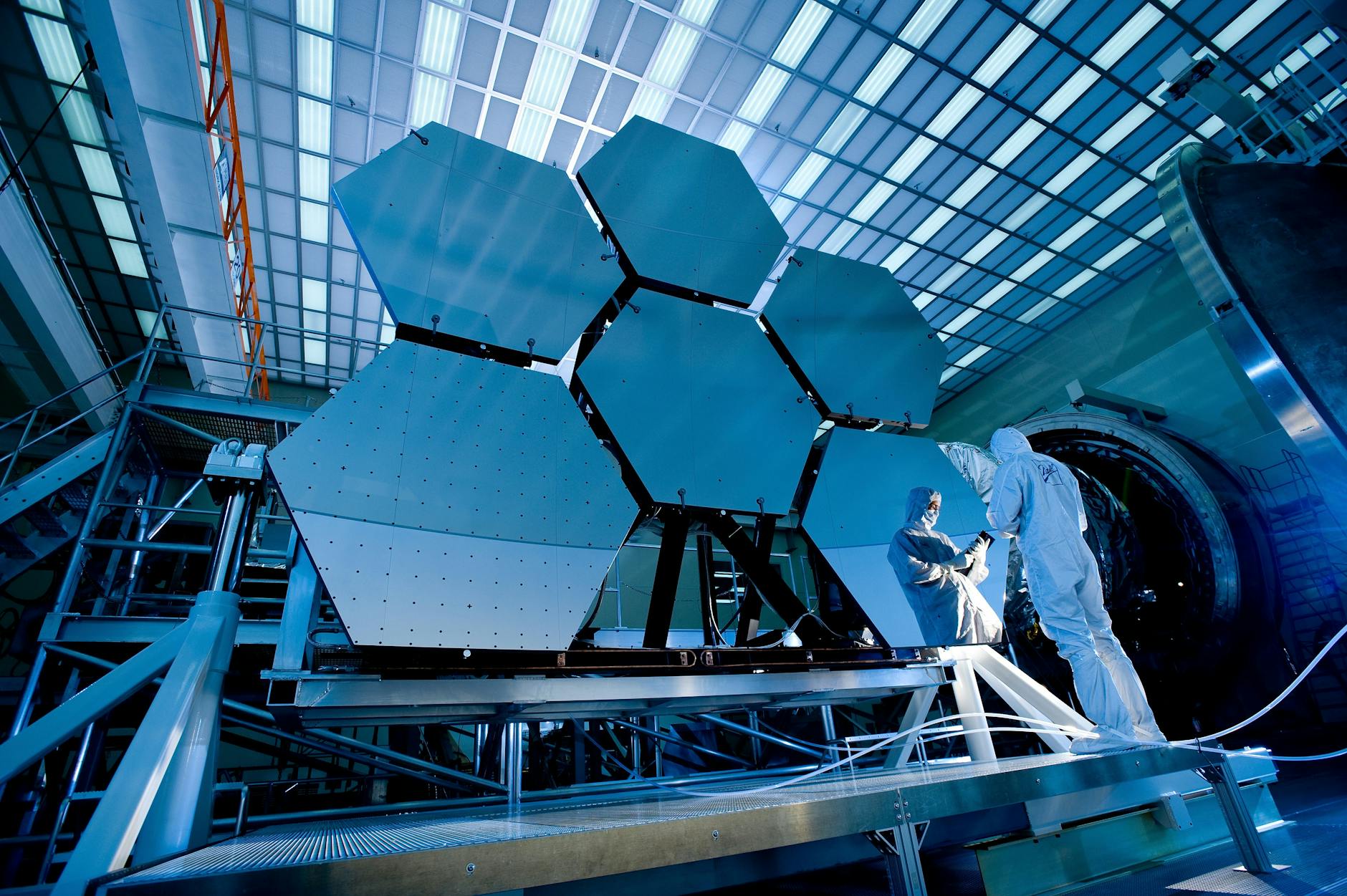
Integrated photonics narrows the gap between laboratory result and manufacturable part
Foundry access and standardised process design kits are doing for photonics roughly what they did for electro…
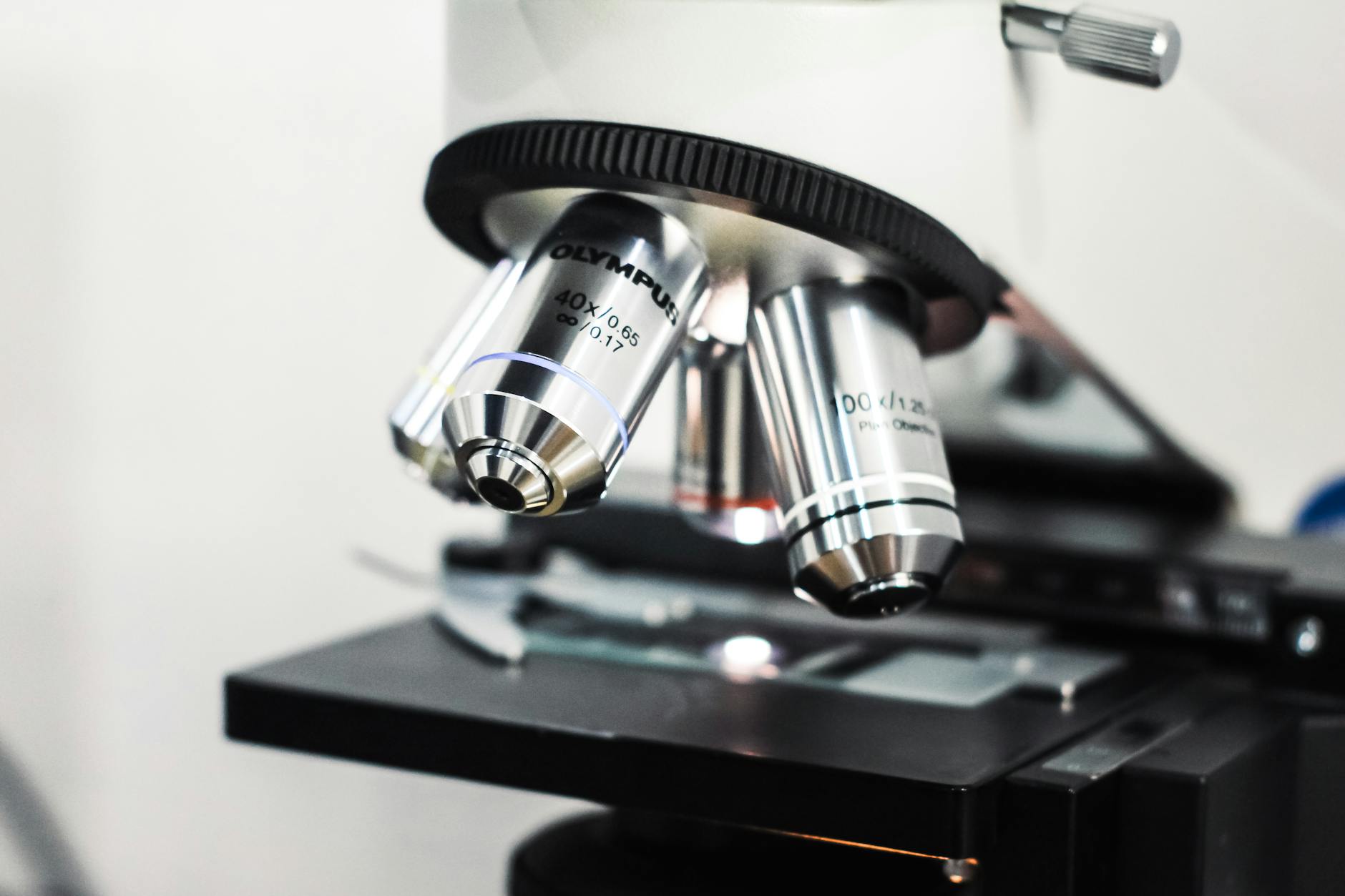
Metasurface optics are running into the manufacturing question
Flat lenses built from sub-wavelength structures work. Producing them at volume, at yield, with the tolerance…

Photonics found its foundry model, and the effect resembles electronics in the 1980s
Shared process design kits and multi-project wafer runs let a small team design a photonic chip without ownin…