Laser cooling is being packaged into instruments that leave the laboratory
Cold-atom gravimeters and clocks work on a bench. Making them survive a vehicle, a ship or a field site is a different engineering problem entirely.
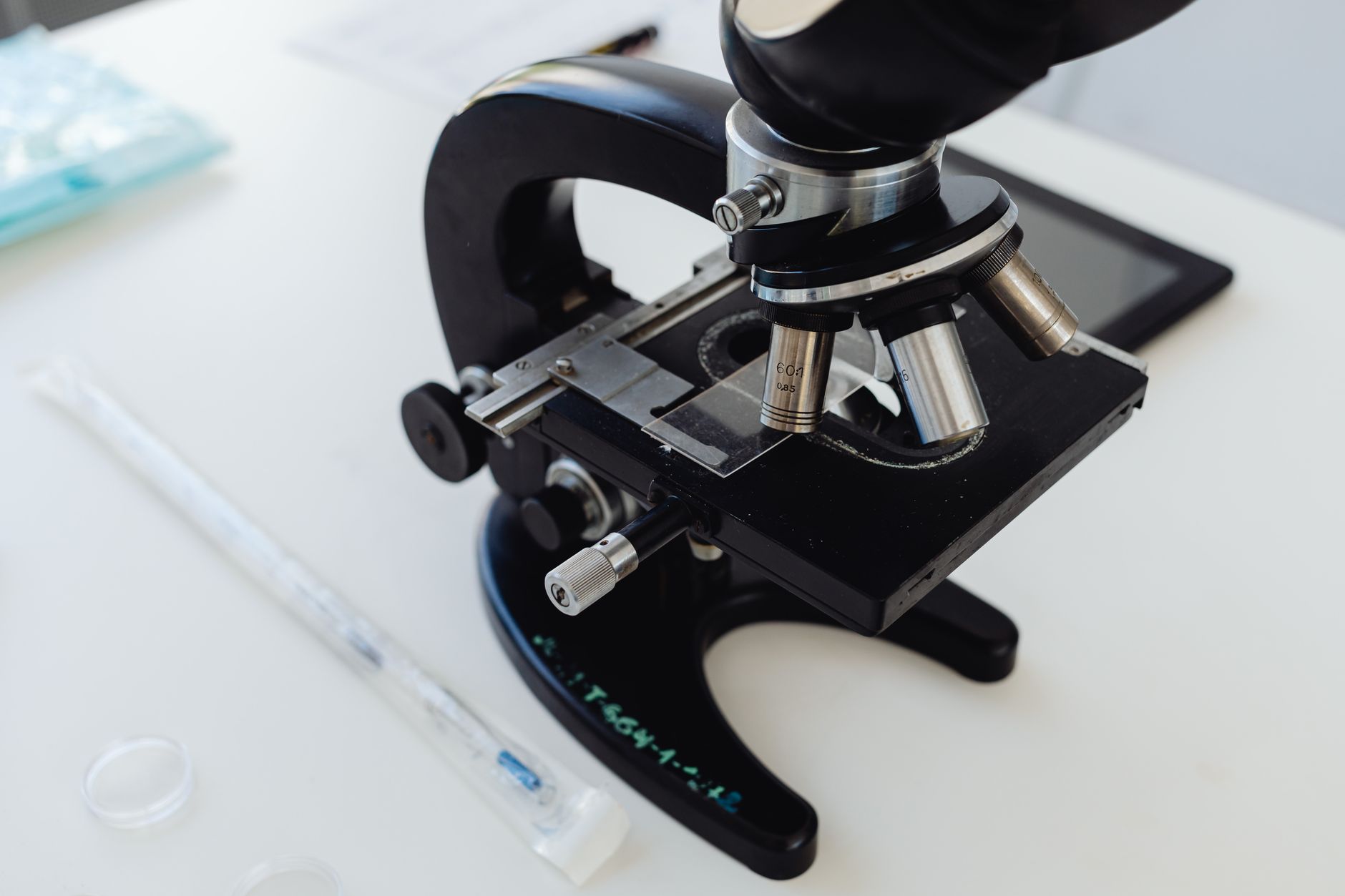
Laser cooling holds atoms nearly still, which makes them exceptionally good references. Atomic clocks, gravimeters, gyroscopes and magnetometers built this way outperform conventional instruments substantially. The engineering effort of the past decade has gone into making them portable.
What the applications need
Gravimetry. Cold-atom gravimeters measure gravitational acceleration by dropping atoms and interfering their matter waves. Applications in mineral exploration, groundwater monitoring, volcanology and civil engineering all require field operation.
Inertial navigation. Atom interferometers measure acceleration and rotation without external reference, offering navigation where satellite signals are unavailable or untrusted. Deployment means vehicles, aircraft and vessels.
Timing. Portable optical clocks would let precision timing exist outside national laboratories, relevant to network synchronisation and to distributed sensing.
What makes portability hard
Vacuum. Cold atom systems need ultra-high vacuum, traditionally maintained by pumps that are large and power-hungry. Passively pumped sealed cells have improved this considerably and remain a limiting technology.
Laser stability. Cooling and interrogation require lasers locked to atomic transitions at high stability. Doing that in a temperature-varying, vibrating environment is substantially harder than on a bench.
Vibration. An interferometer measuring acceleration cannot distinguish signal from platform motion, so field instruments need vibration isolation or accelerometer-based rejection.
Power and size. Laboratory systems occupy rooms; a field instrument must fit a vehicle and run on available power.
Where it stands
Transportable gravimeters have operated outside laboratories, including in field campaigns and on ships. Commercial units exist and are sold to research users and to specialised industrial customers.
Full ruggedisation to the point of routine deployment is not yet general, and cost remains high relative to conventional instruments — the comparison being not against a laboratory apparatus but against a mature commercial gravimeter that costs far less and works adequately.
Cold-atom instruments will win where absolute accuracy and drift-free operation genuinely matter. Establishing where that is, in commercial rather than scientific terms, is the current phase.
This article was produced by the LasersNews AI desk and reviewed by our editors.
Related reading
Integrated photonics narrows the gap between laboratory result and manufacturable part
Foundry access and standardised process design kits are doing for photonics roughly what they did for electro…
Metasurface optics are running into the manufacturing question
Flat lenses built from sub-wavelength structures work. Producing them at volume, at yield, with the tolerance…
Photonics found its foundry model, and the effect resembles electronics in the 1980s
Shared process design kits and multi-project wafer runs let a small team design a photonic chip without ownin…