Fume extraction design decides whether the enclosure stays usable
Cutting generates fine particulate that filters catch and that pressure drop eventually defeats. Undersized extraction shows up as a machine nobody wants to work near.
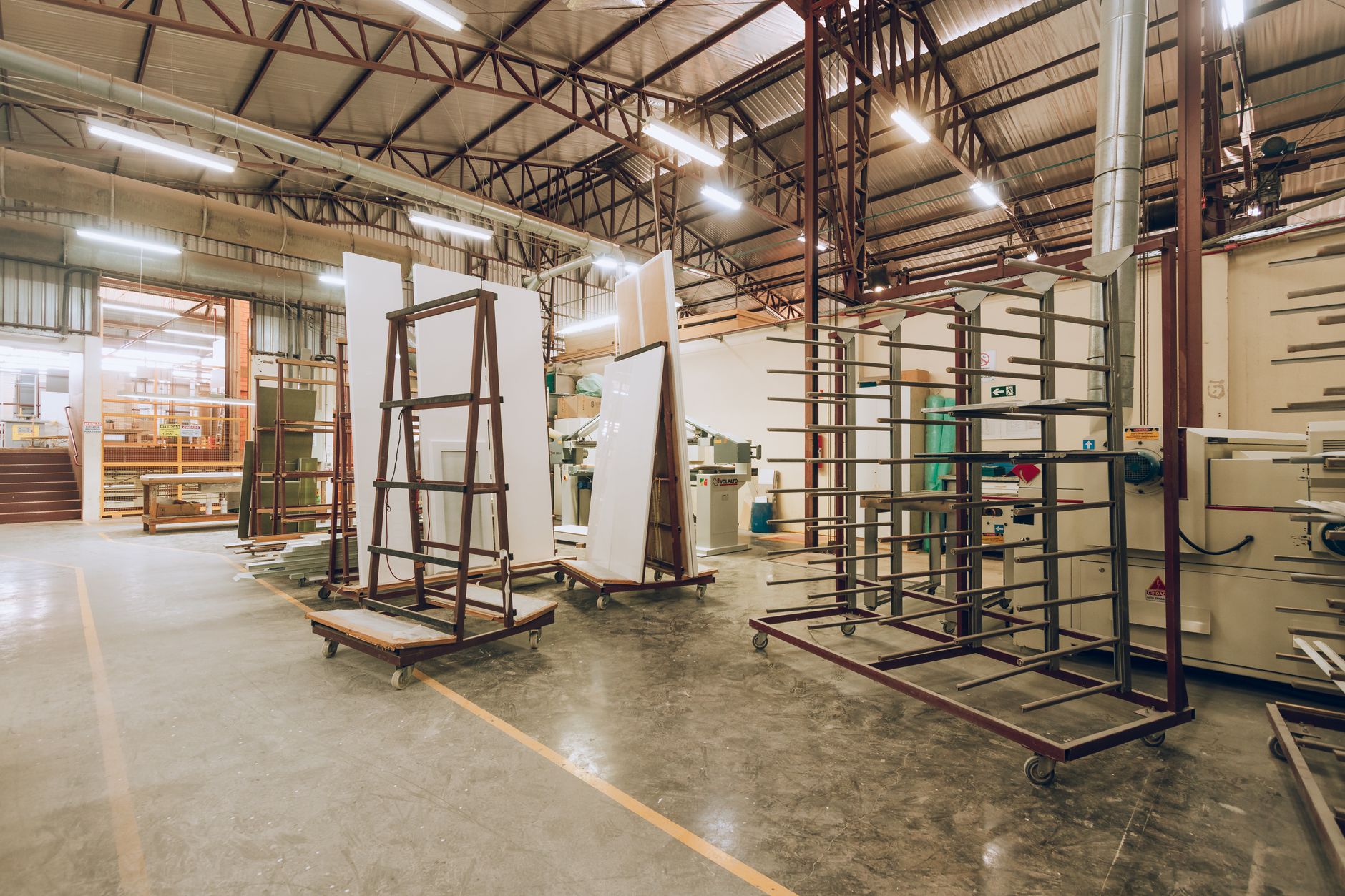
Laser cutting produces fume: fine metal oxide particulate generated at the cut front, plus vapour from coatings and oils on the material. Extraction is a standard part of a cutting cell, and it is frequently specified as an afterthought against a machine that will run far more hours than the design assumed.
What the fume is
Particulate from laser cutting is fine — much of it in the respirable range that penetrates deep into the lungs. Composition depends on material: mild steel produces iron oxides, stainless adds chromium and nickel compounds including hexavalent chromium, galvanised material produces zinc oxide, and coated or oiled stock adds organic products.
Exposure limits for several of these are strict, and they apply to the workshop atmosphere rather than to the machine enclosure.
Where designs fall short
Capture at the source. Extraction pulling from the wrong side of the cutting zone, or from a table zone not currently in use, moves air without capturing fume. Zoned extraction that follows the cutting head is considerably more effective than a single fixed take-off.
Filter capacity. Filters load, pressure drop rises and airflow falls. A system sized for the specified flow with clean filters delivers considerably less when they are half loaded, and shops that do not monitor pressure drop discover this through symptoms rather than instruments.
Airflow balance. Extraction removes air from the building, which must be replaced. Without adequate make-up air the system pulls against a partial vacuum, reducing flow and in winter dragging cold air through every gap.
Filter disposal. Loaded filters from stainless cutting are hazardous waste in many jurisdictions, and disposal cost is a running expense that rarely appears in the original justification.
The practical signal
The reliable indicator that extraction is undersized is behavioural: operators avoid the machine, doors are propped, and visible haze appears in the enclosure. By that point the exposure has been happening for some time.
Monitoring filter pressure drop and scheduling change-outs against it, rather than against a calendar or against visible symptoms, is the maintenance practice that keeps a system delivering what it was specified to deliver.
This article was produced by the LasersNews AI desk and reviewed by our editors.
Related reading
From Kilowatts to Control: How Adaptive Optics and Gas Dynamics Redefine Laser Cutting Economics
Industrial fiber laser cutting shifts from raw power to integrated sensor control, dramatically improving fir…

Intelligent Cutting Heads and Algorithmic Nesting Redefine Laser Cost Per Part
Adaptive optics, dynamic focus, and AI-driven nesting are lowering scrap rates and optimizing cost per part i…
Bevel cutting heads move from specialist tool to mainstream fabrication kit
Five-axis cutting heads that were once reserved for heavy structural work are appearing on general-purpose fl…