Adaptive optics left astronomy and found industrial work
Correcting a distorted wavefront in real time was built for telescopes. The same hardware now corrects thermal lensing in laser processing and aberration in microscopy.
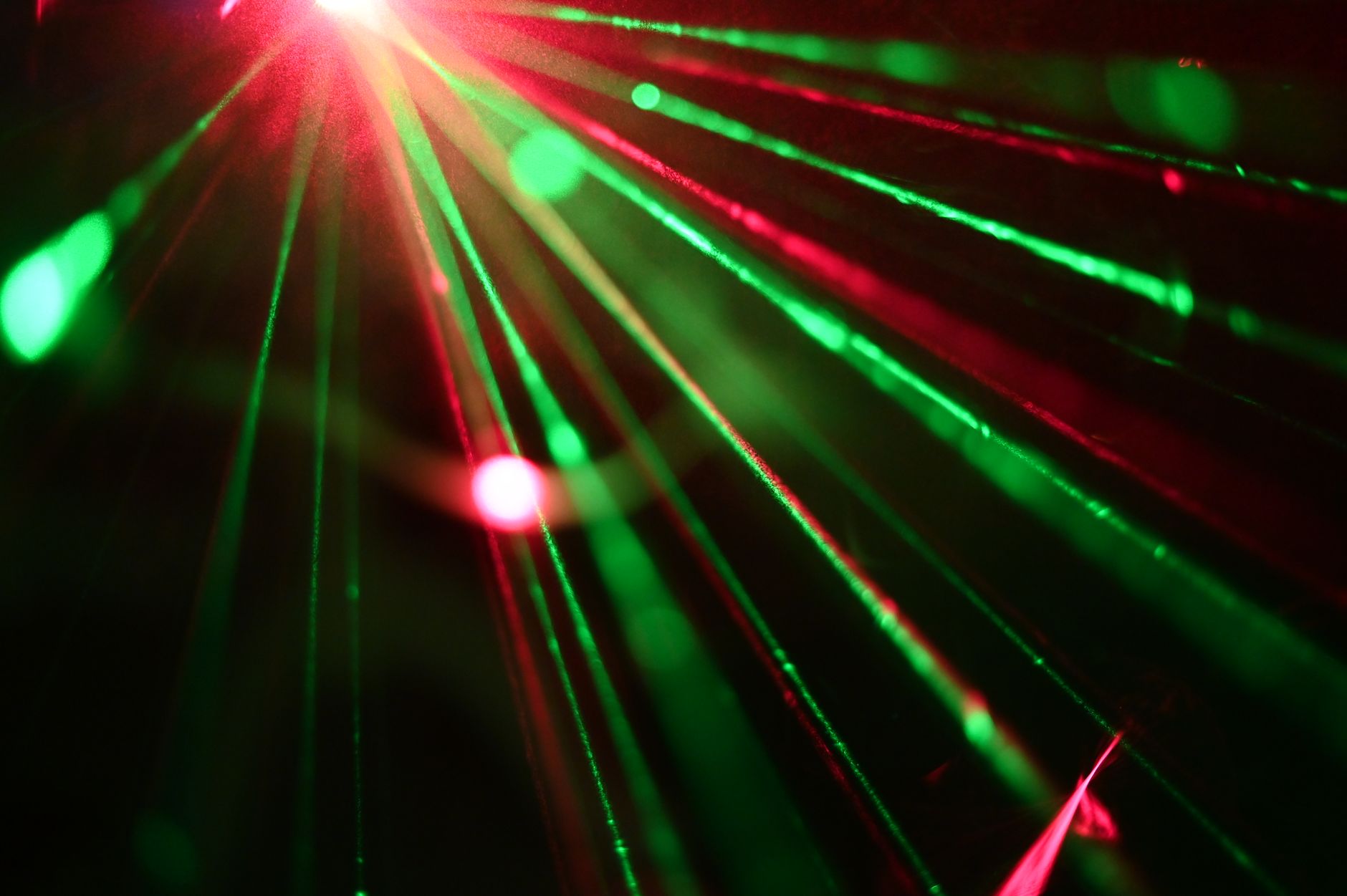
Adaptive optics measures the distortion in an optical wavefront and applies an equal and opposite correction with a deformable mirror or spatial light modulator, fast enough to track changes. Astronomy drove its development against atmospheric turbulence. The technology has since found applications that have nothing to do with the sky.
Microscopy
Imaging deep into biological tissue suffers because the sample itself distorts the wavefront. Refractive index varies between structures, and the deeper the focus, the worse the aberration.
Adaptive optics measures that aberration — using a guide star, or by optimising image quality directly — and corrects it, restoring resolution at depths that were previously inaccessible. The technique is now established in multiphoton and light-sheet microscopy.
Laser materials processing
High-power beams heat their own optics slightly, changing refractive index and shifting focus. This thermal lensing means a system aligned when cold drifts as it warms, and focus position moves during a production run.
An adaptive element can compensate dynamically. More usefully, the same hardware can shape the beam deliberately: switching between focus positions, generating multiple foci, or producing a specified intensity distribution — turning a correction device into a process control device.
Ophthalmology
The eye's own aberrations limit retinal imaging resolution. Adaptive optics correction allows imaging of individual photoreceptors in a living eye, which supports early detection of retinal disease.
Free-space optical communication
Atmospheric turbulence degrades laser links between ground stations, aircraft and satellites — the same problem astronomy faced, in the opposite direction. Adaptive correction improves coupling into receiving fibre, and this application is growing with satellite optical communication.
What made it spread
Cost and complexity fell. Deformable mirrors that were bespoke instruments became catalogue components, MEMS devices reduced size and price, and spatial light modulators based on liquid crystal displays offered high element counts cheaply. Wavefront sensing and control that once needed dedicated computers now runs on ordinary hardware.
That is a familiar pattern: a technique developed for one demanding application becomes generally available once its components commoditise, and the applications that follow are rarely the ones its originators had in mind.
This article was produced by the LasersNews AI desk and reviewed by our editors.
Related reading
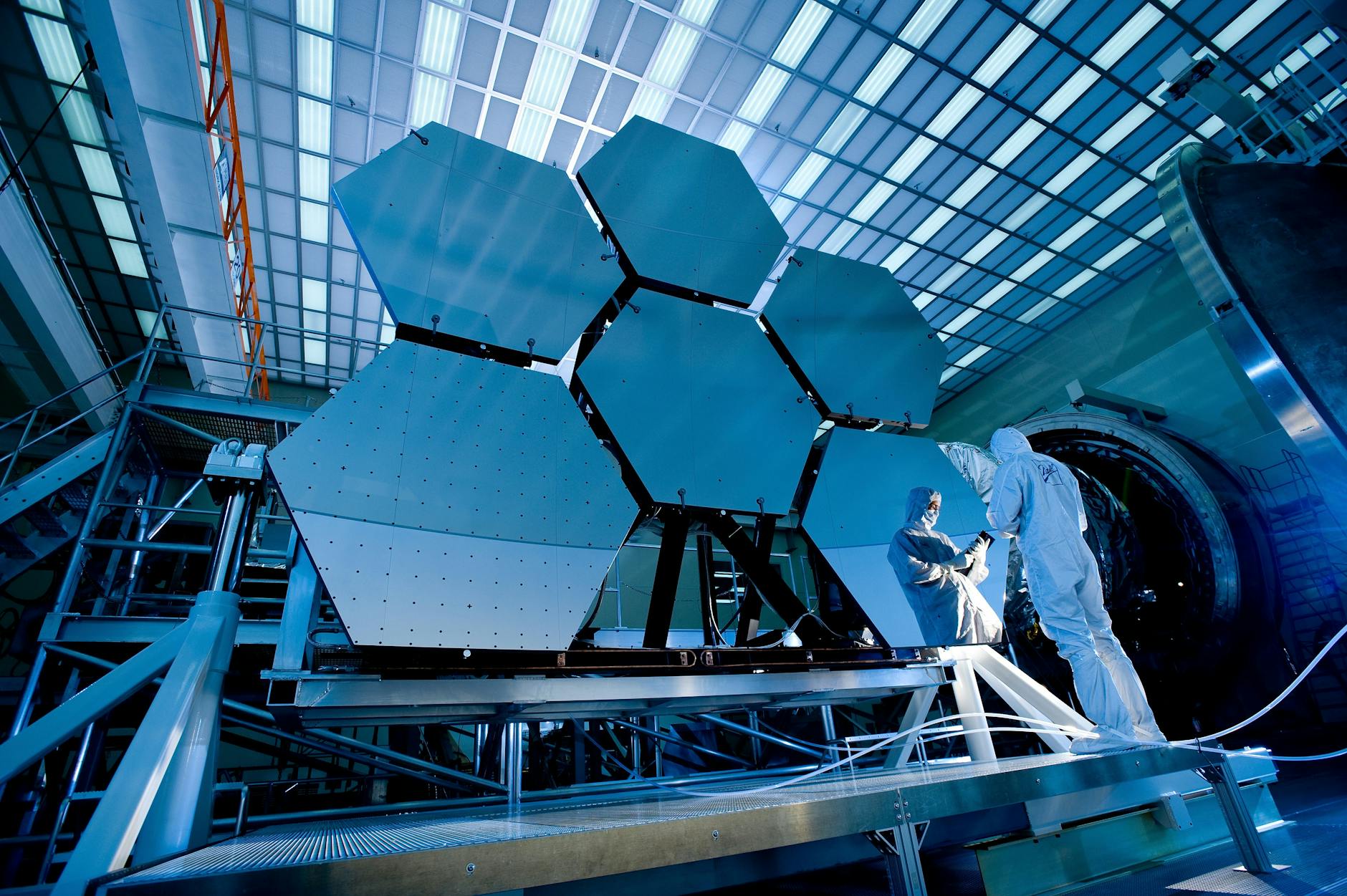
Integrated photonics narrows the gap between laboratory result and manufacturable part
Foundry access and standardised process design kits are doing for photonics roughly what they did for electro…
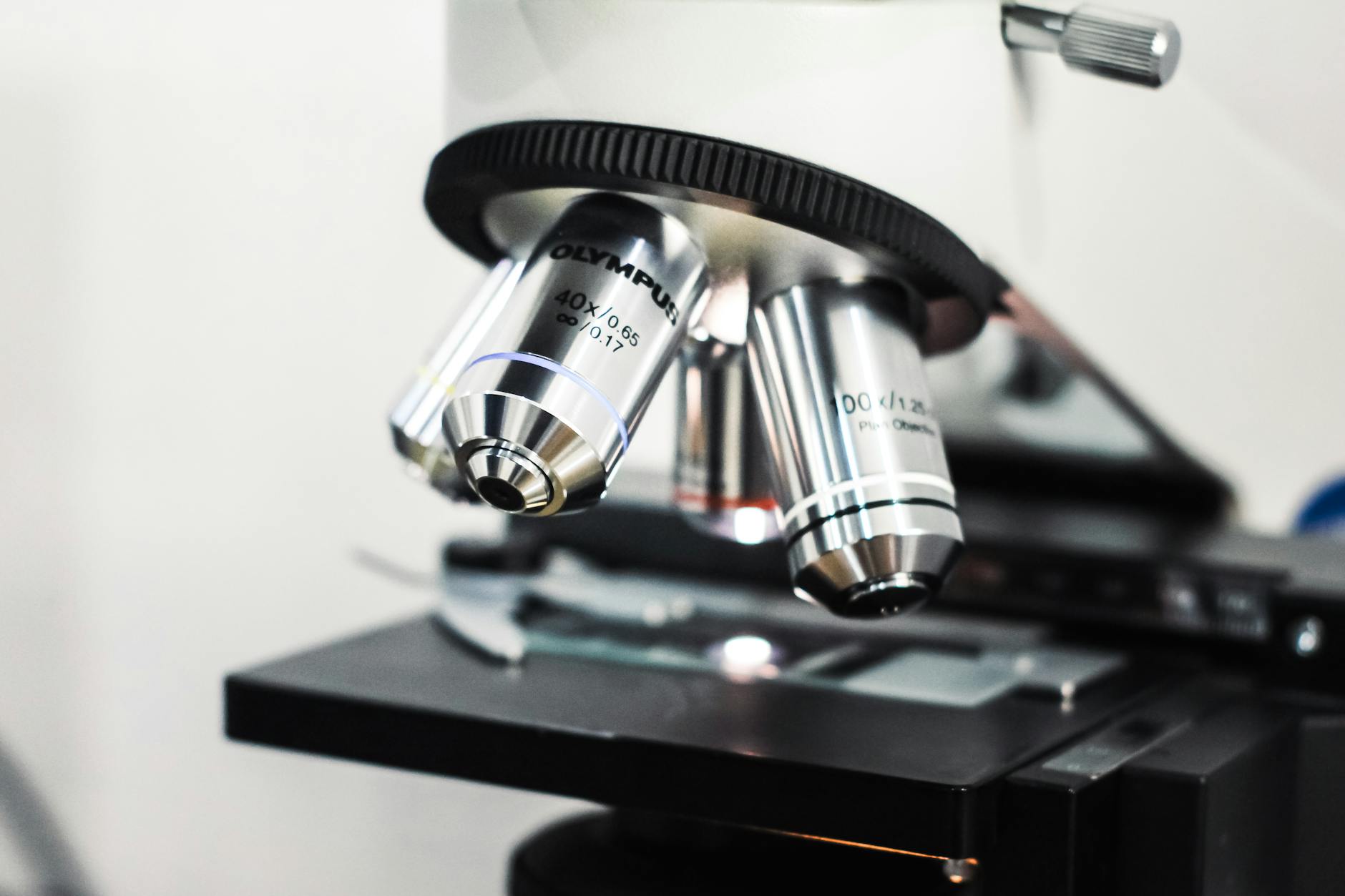
Metasurface optics are running into the manufacturing question
Flat lenses built from sub-wavelength structures work. Producing them at volume, at yield, with the tolerance…
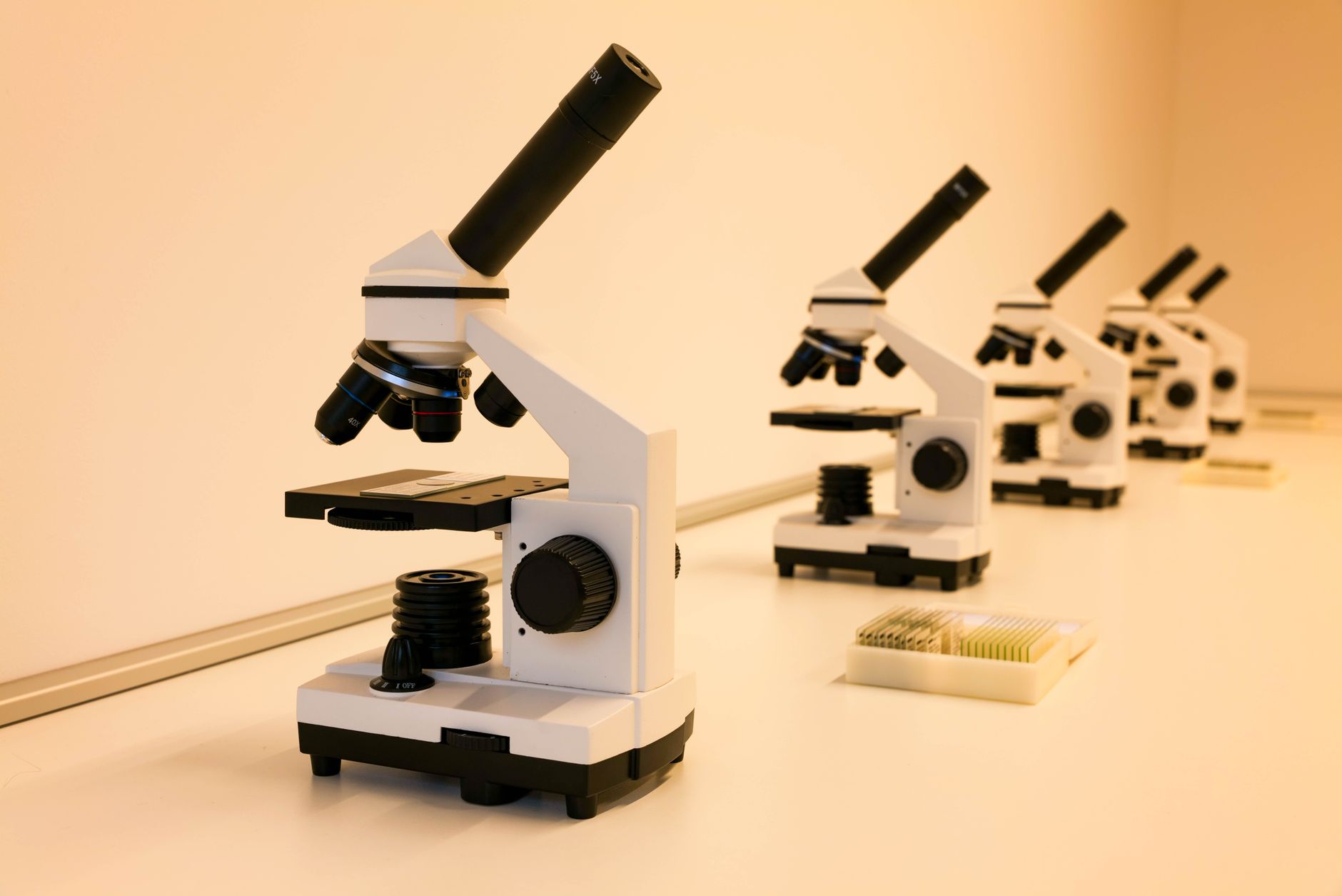
Photonics found its foundry model, and the effect resembles electronics in the 1980s
Shared process design kits and multi-project wafer runs let a small team design a photonic chip without ownin…